
Check “Phil in the Caring City“ storytelling website
(I designed and coded the entire website)
The ‘Caring Lights’ research project explores the role of smart dynamic lighting in creating rich and inviting public spaces, inclusive urban environments and safer communities through the implementation of advanced lighting technologies. In addition to lighting’s traditional role of providing color, brightness, and viability to cities, light can also communicate information and shape the way we perceive, feel, and inhabit urban space. Taking a human-centric approach while implementing innovative technology, ‘Caring Lights’ seeks new forms of interaction with the city lighting infrastructure, for well-connected and more caring cities.
OUTCOME:
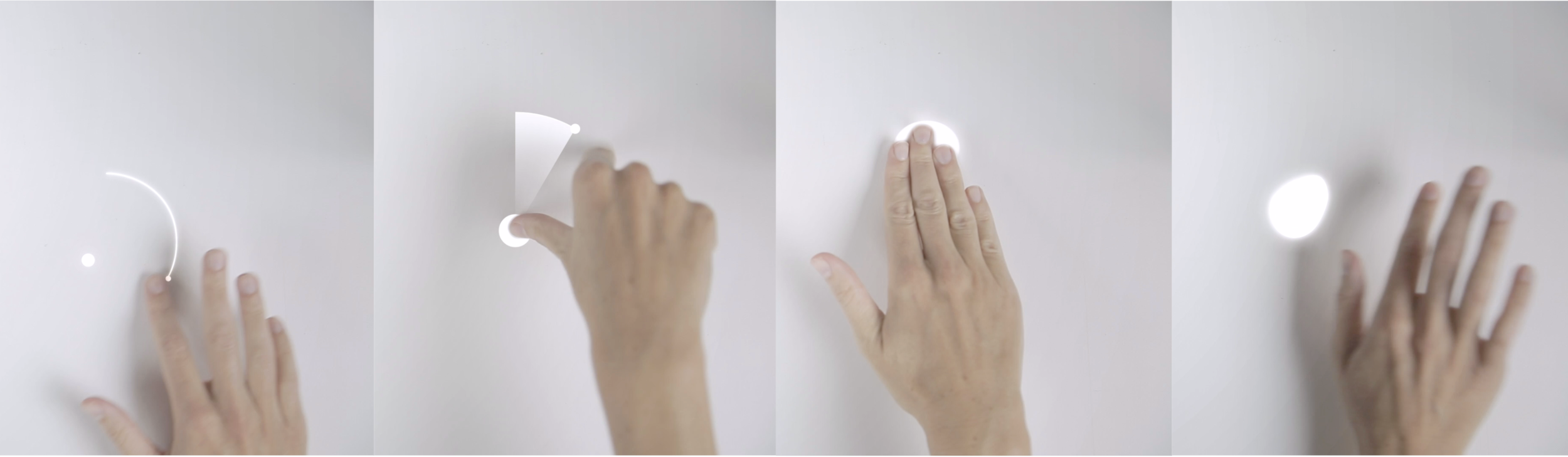
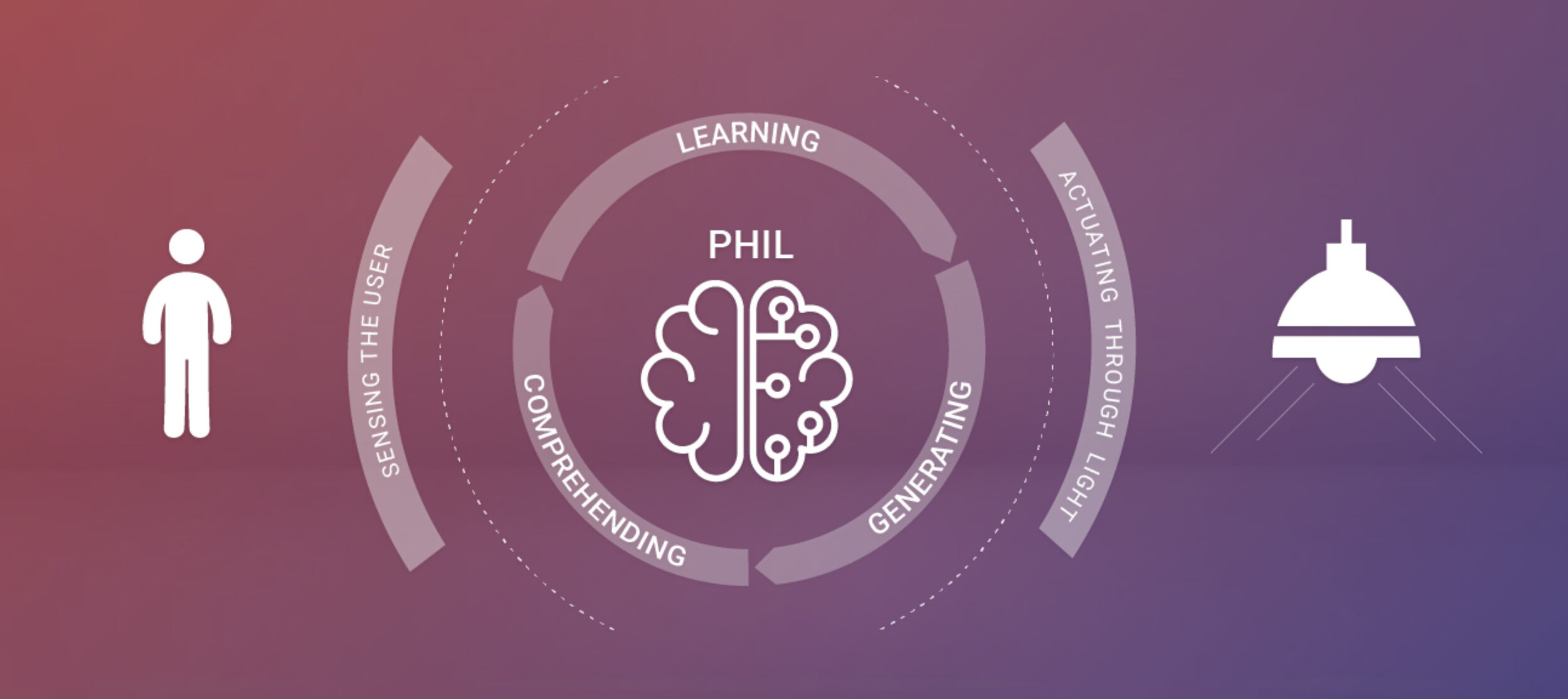
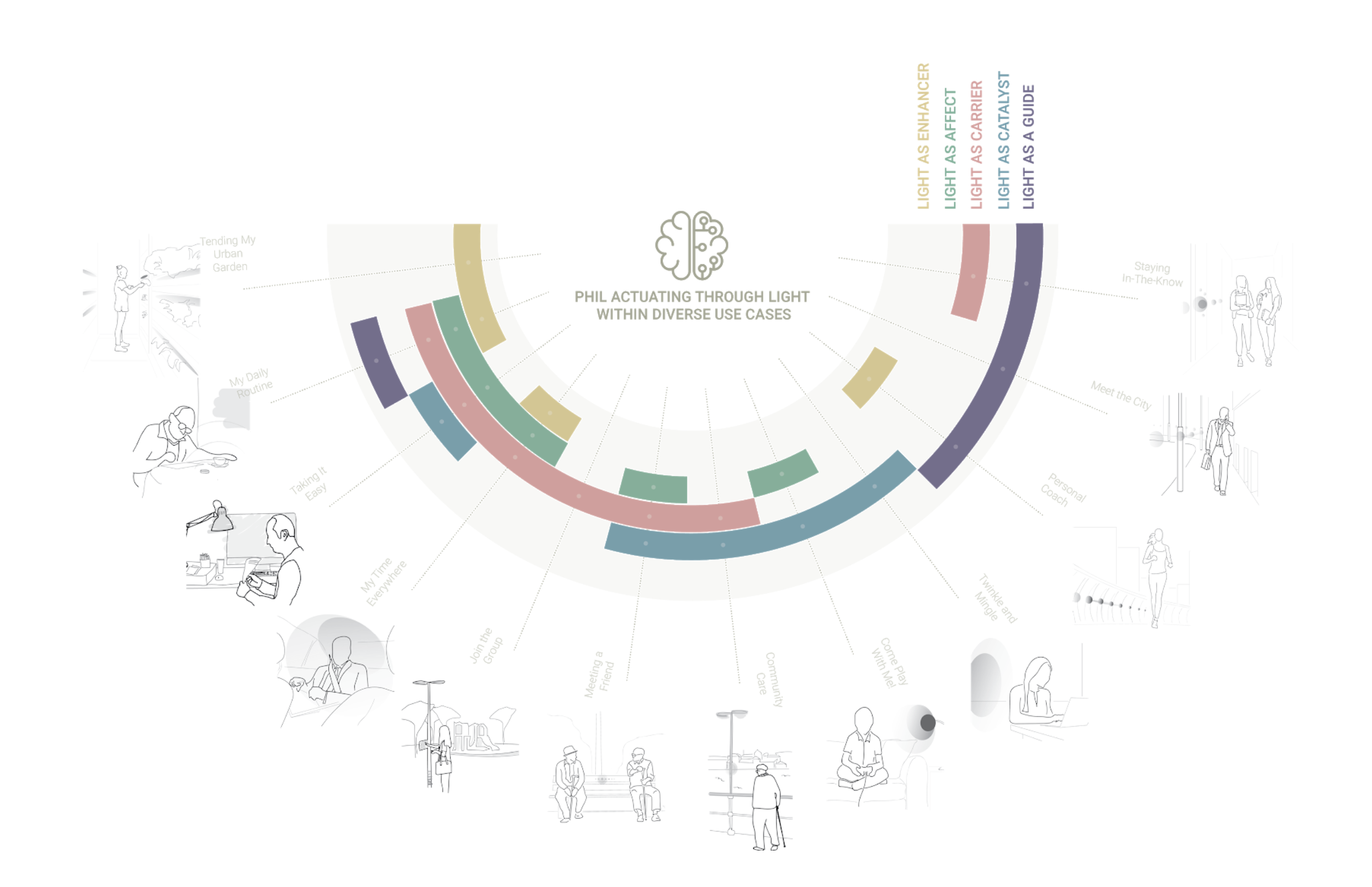
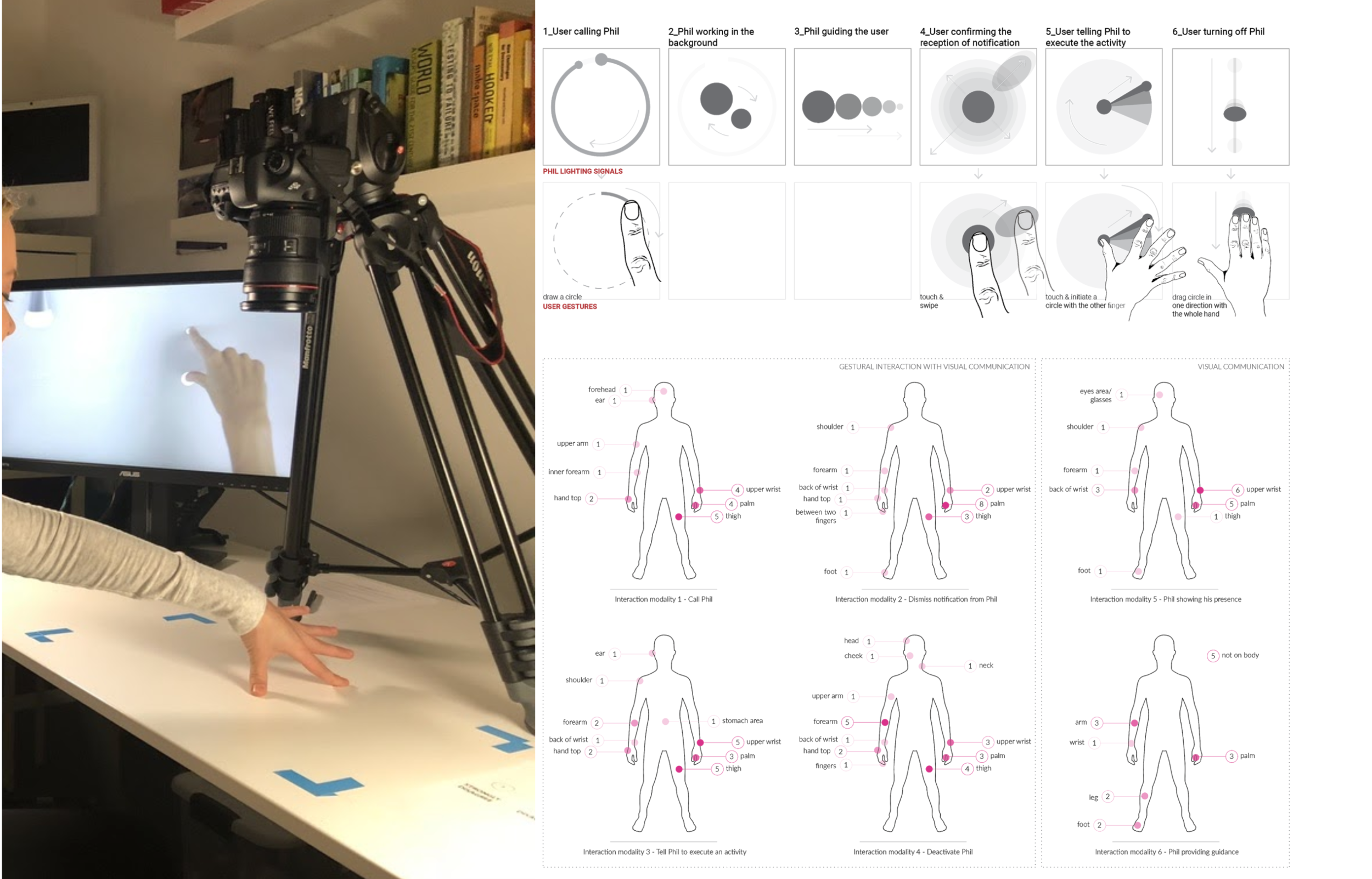
An Agent service system relies on pervasive interfaces enabled by smart materials embedded throughout the city, in both outdoor and indoor ambients. The system provides automatic adjustments and changes in space while giving the main control to the user and enabling natural user interaction language.
ROLE: EXPERIENCE DESIGNER - RESEARCH ASSOCIATE
- Conducted initial user research.
- Used research findings and insights to extract user values.
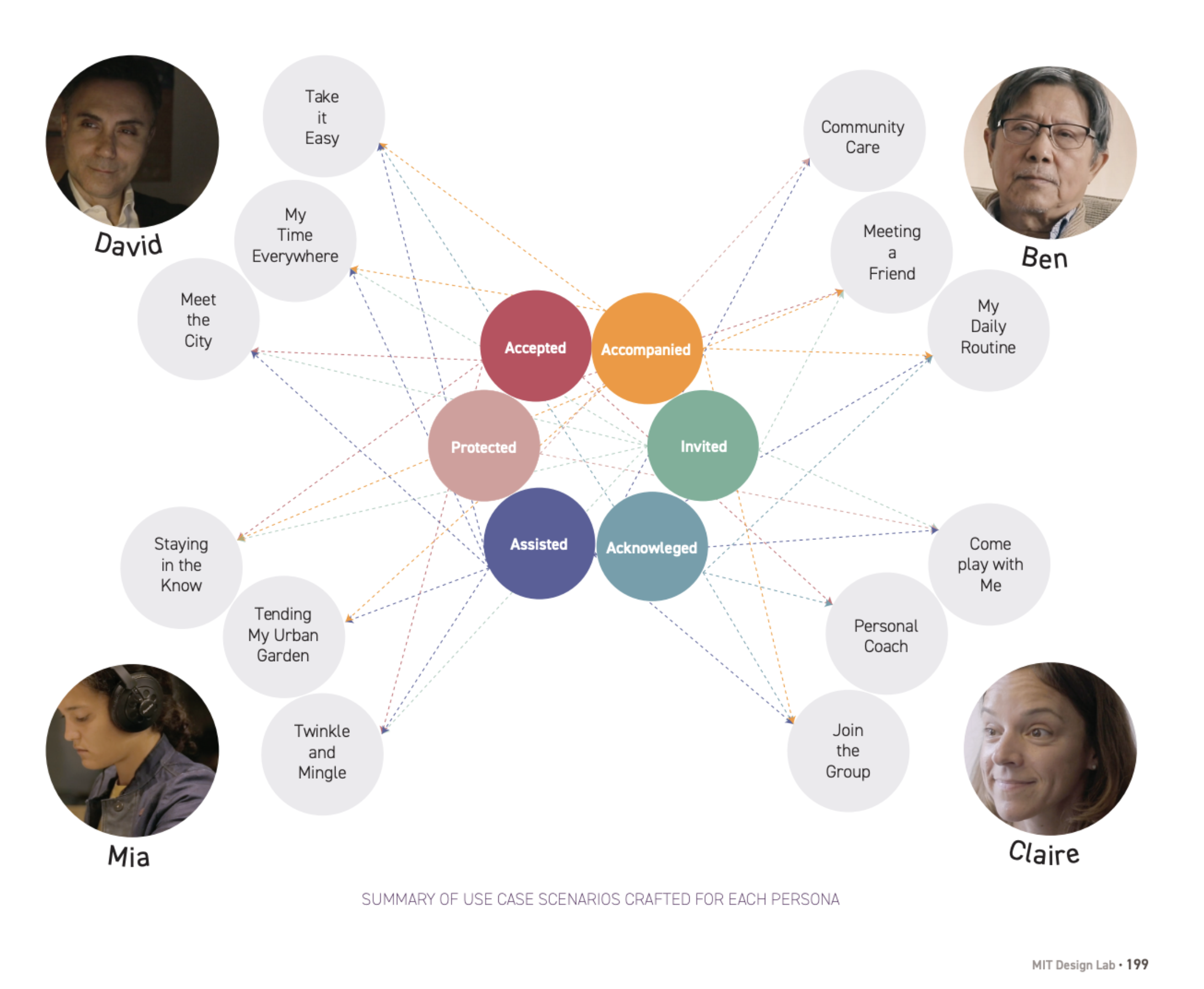
- Collaborated with the design researcher to develop the use case scenarios for 4 personas and 12 use cases.
- Developed the final website to present project outcomes in a storytelling-driven presentation.
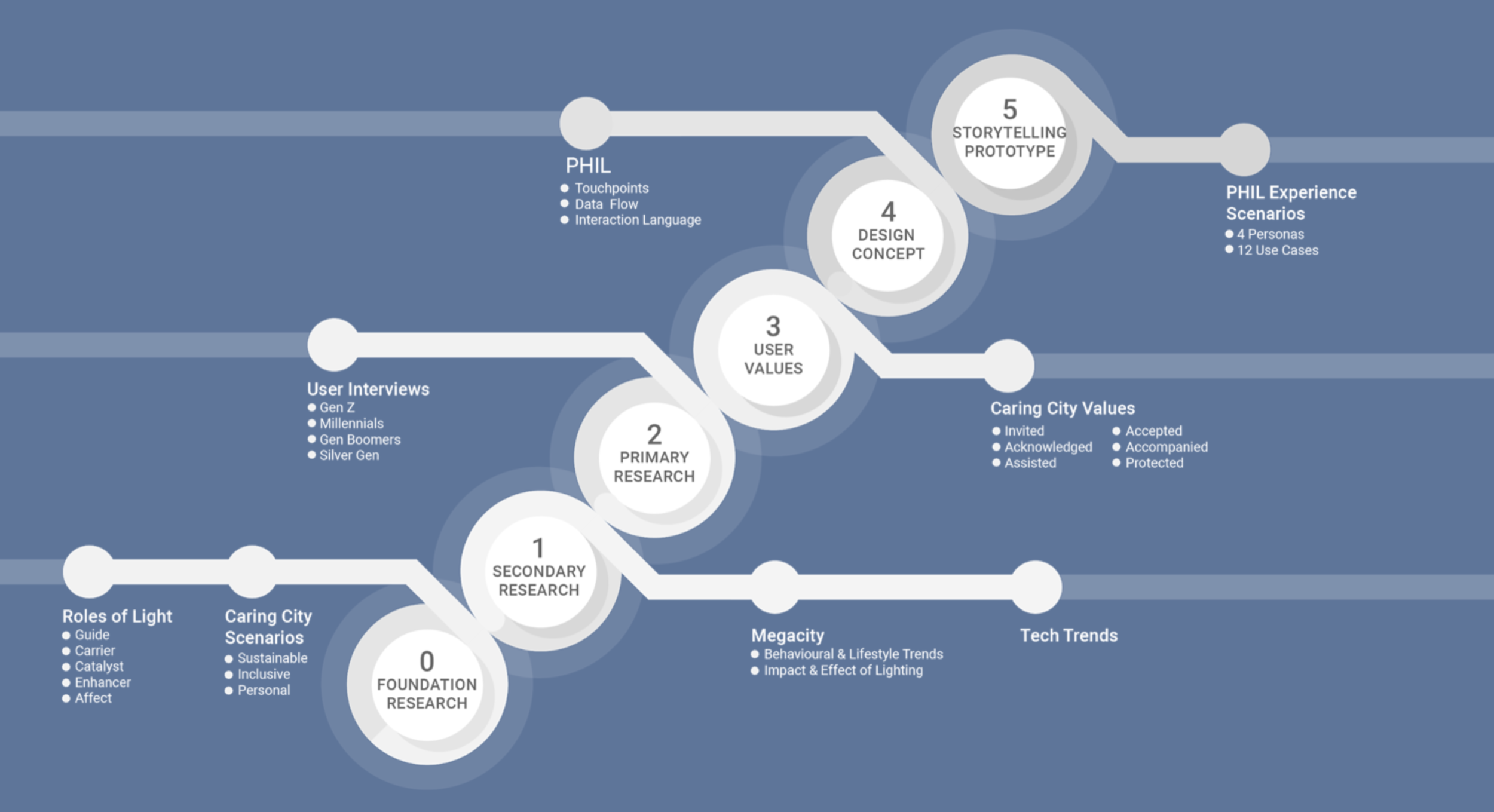
Within one year, the project was developed following six main phases in the process (figure below): (1) Foundational research, (2) Secondary research, (3) Primary research, (4) User values, (5) Design concept, (6) Storytelling prototype.
First Stage
we performed foundational research and analysis of case studies, which yielded a set of generalizations and observations regarding the role of artificial lighting and its applications in the currently developing mega-cities. Aim of our research was shaping a design vision with the potential of implementing it in the next decade.
Second Stage
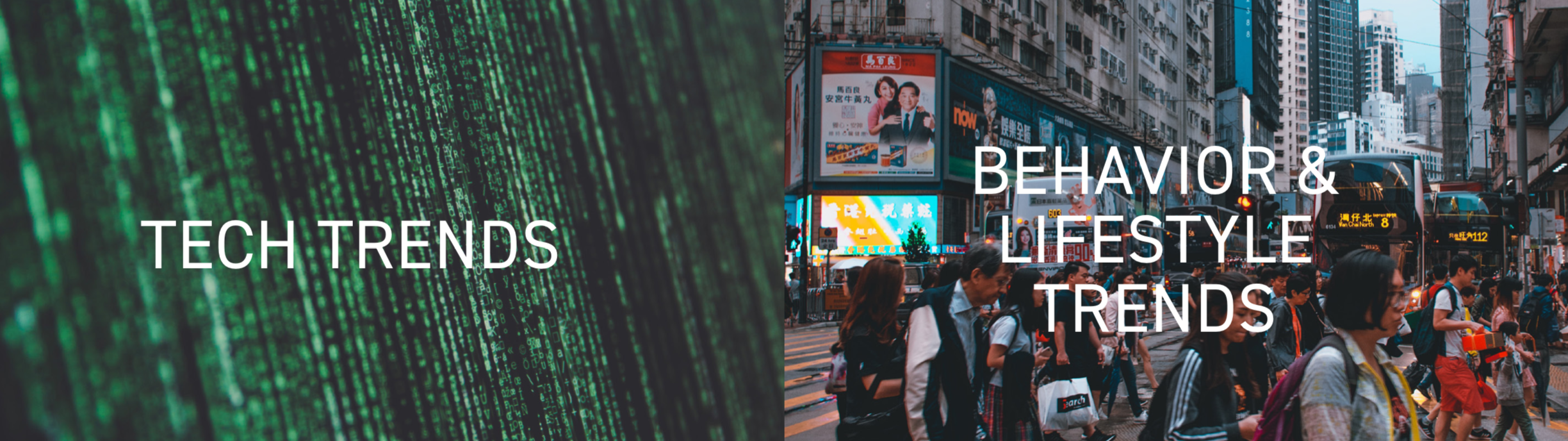
Our review of the literature focused on potential trends of behavioral and lifestyle change in the growing mega-cities, as well as on the emerging trends, which are based on recent technological advancements.
Our findings have pointed to a need for developing specialized service systems that support the growth of future caring cities.
Third Stage
Conducted primary research, including interviews with city inhabitants, to understand what does “being-cared-for” mean for the users.
Fourth Stage
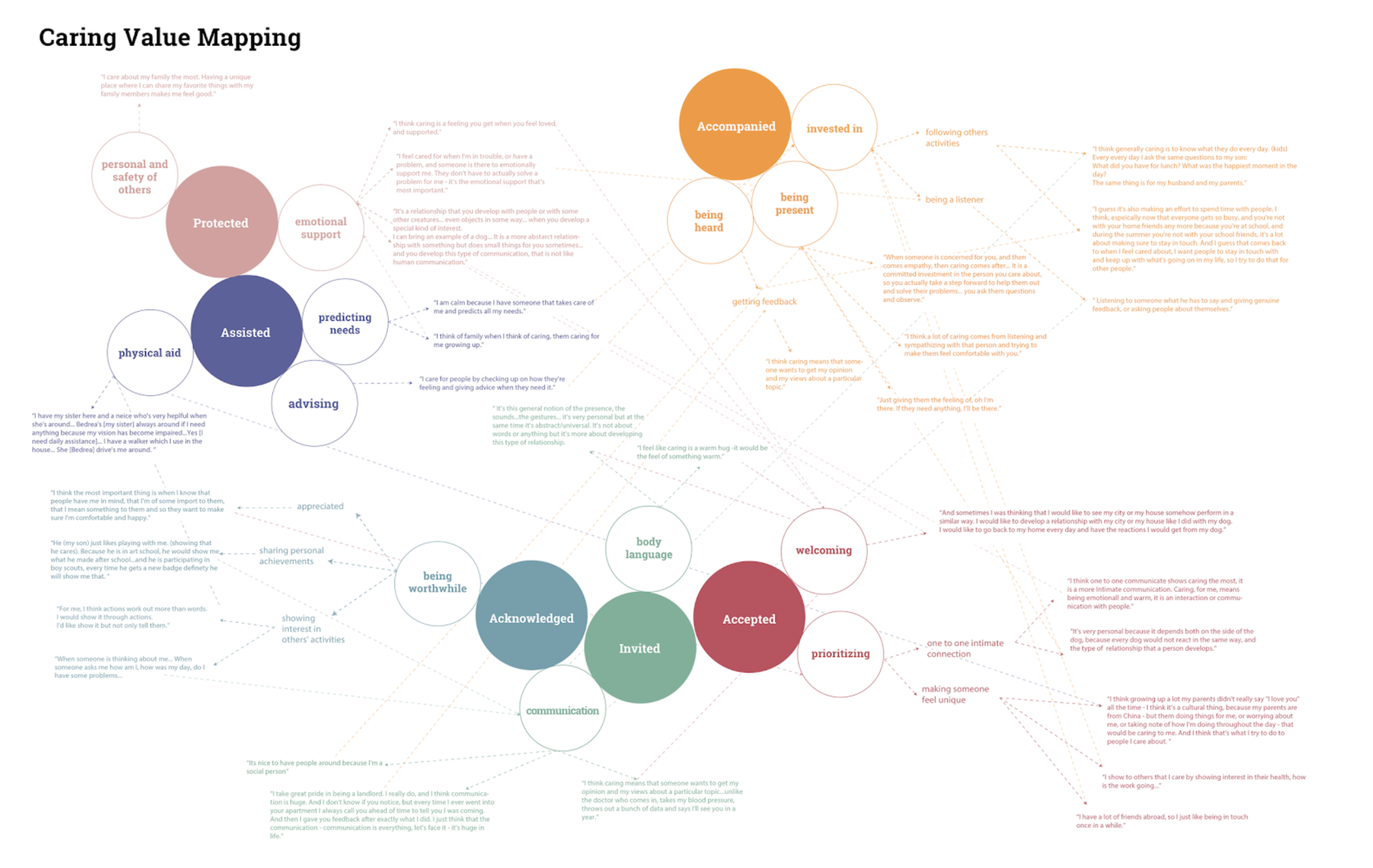
Analyzed and categorized and the main characteristics of the “being-cared-for” sentiment have been extrapolated. Moreover, a list of concerns that urban inhabitants of different generations expressed during the interviews regarding their daily activities, was formed.
Fifth Stage
Extracted the primary user-values and curated the design concept of the proposal along the lines of these values.
Sixth Stage
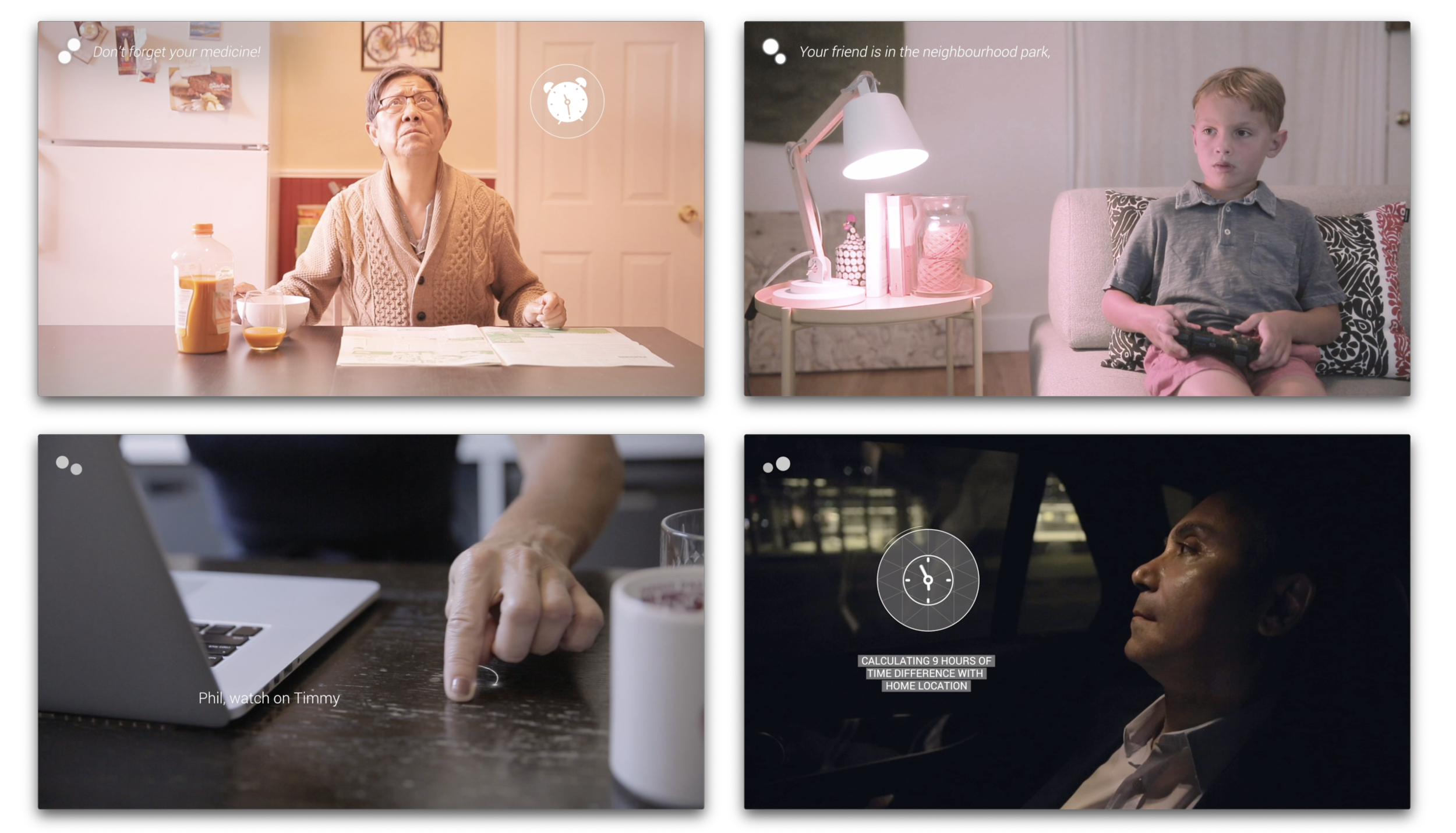
Developed storytelling prototypes based on the use cases - for specified personas of city inhabitants and their experiences, and we conducted an initial evaluation of the design concept.